0532 729 59 43
 Türkçe
- New
- Out-of-Stock
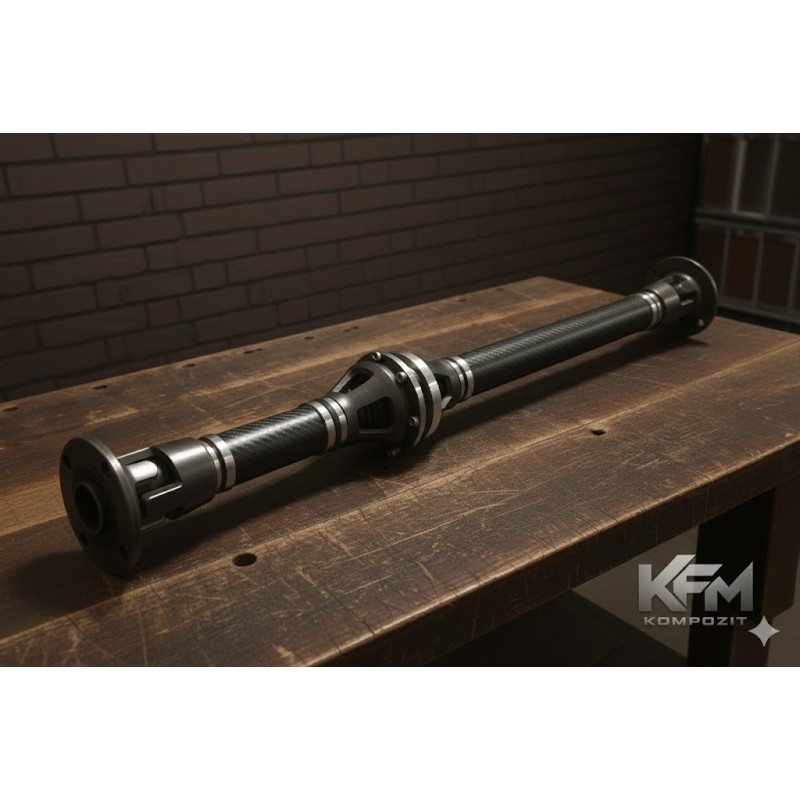

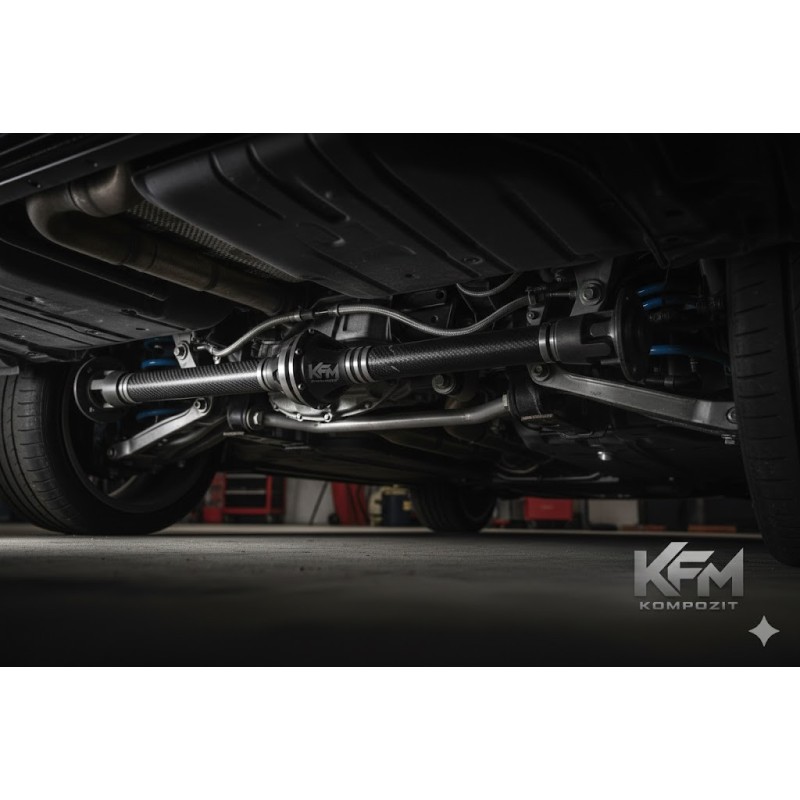
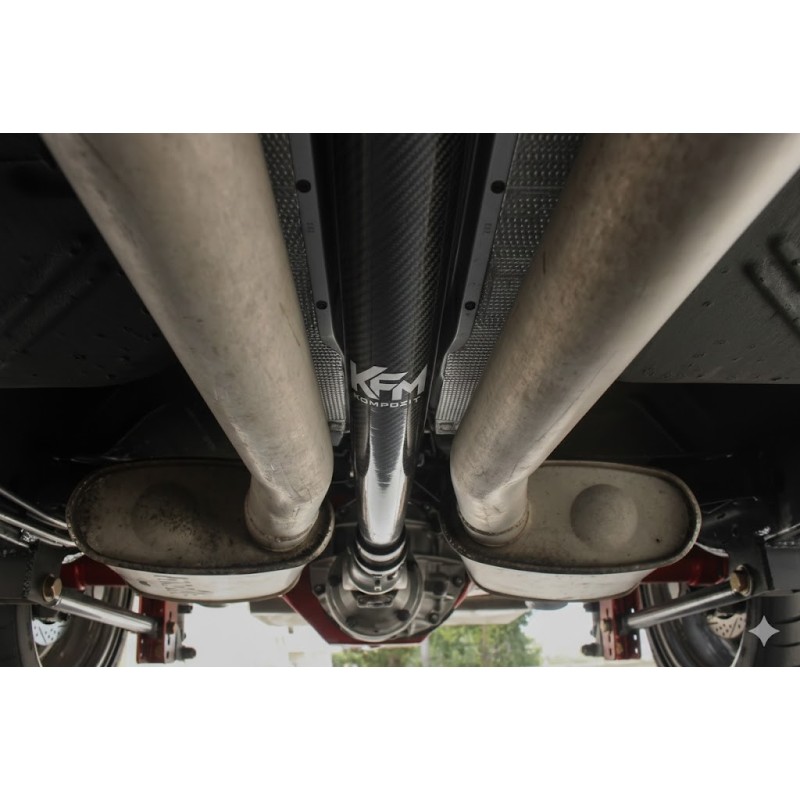
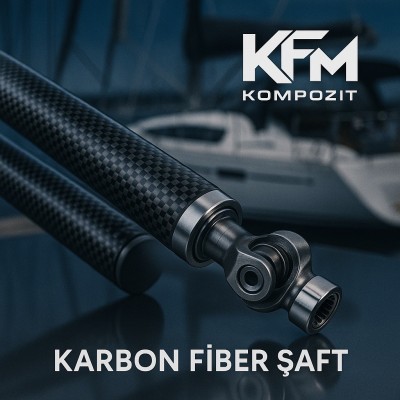
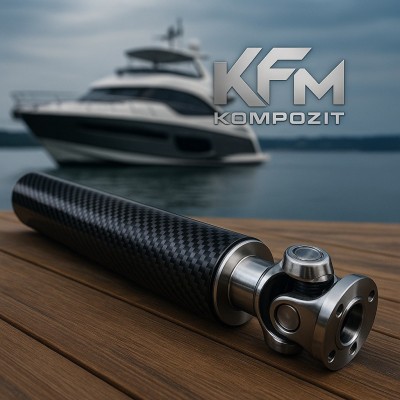
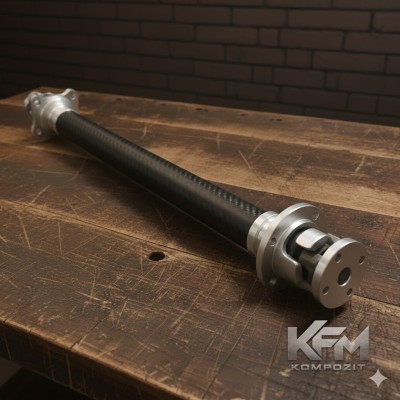
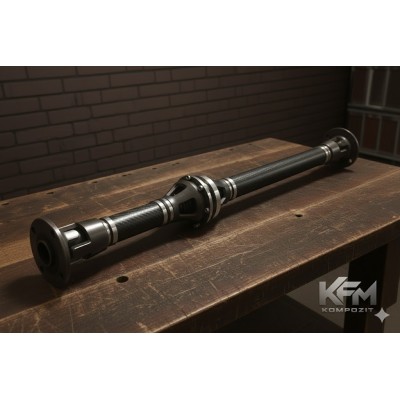

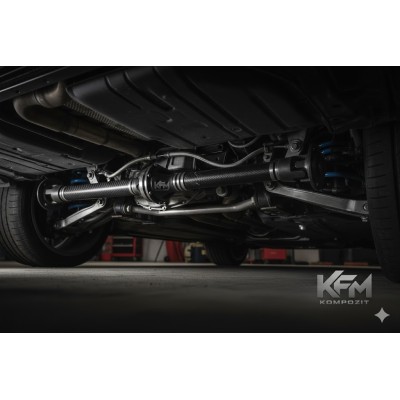
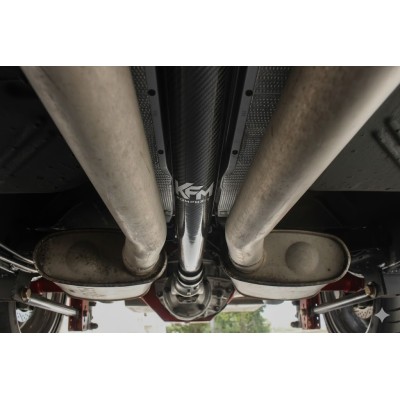


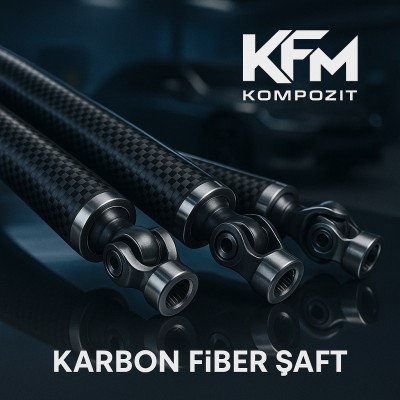
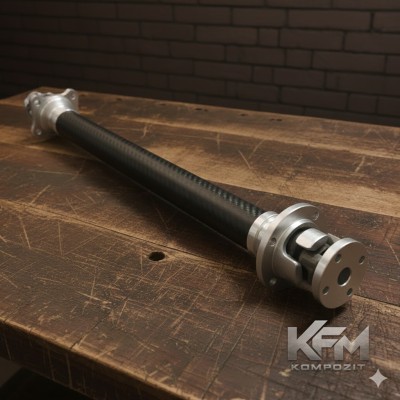
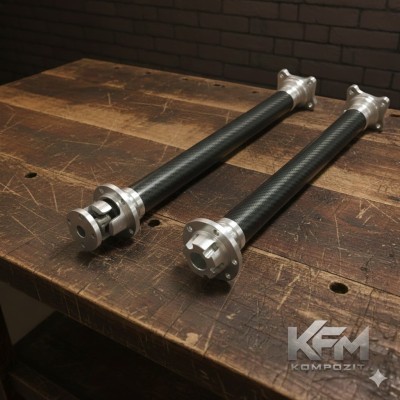
CARBON FIBER AUTOMOTIVE DRIVESHAFT
The driveshaft is a critical power transmission component that transfers rotational motion from the engine/transmission output to the differential.
In high-performance and drag racing vehicles, this component is subjected to extreme conditions such as high torque, sudden acceleration, high rotational speeds, and intense vibration.
For this reason, traditional steel or aluminum driveshafts are increasingly being replaced by carbon fiber composite driveshafts.
CARBON FIBER AUTOMOTIVE DRIVESHAFT
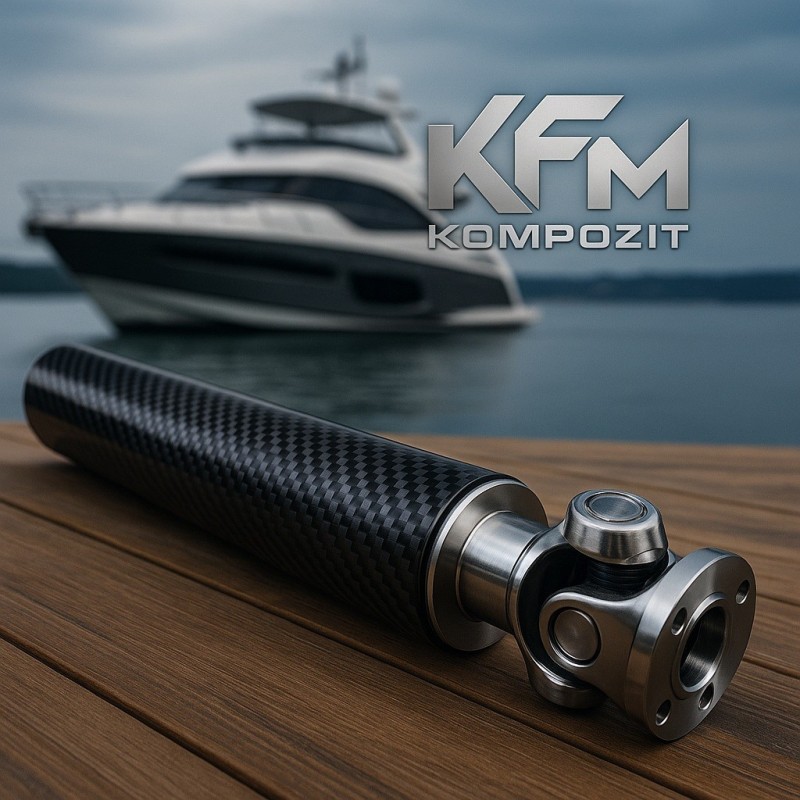
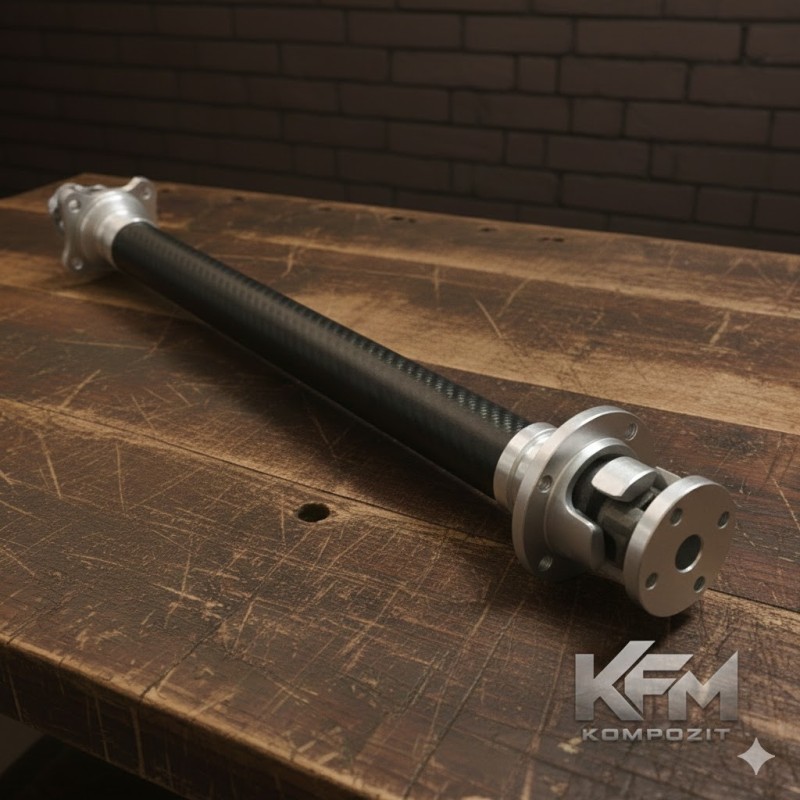
Carbon fiber driveshafts are composed of a multilayer composite structure:
Thanks to this structure, the driveshaft provides both high torsional strength and low mass.
Mechanical and Physical Advantages
Low Rotating Mass
Carbon fiber is approximately 60–70% lighter than steel. The reduction in rotating mass results in:
This translates into measurable time gains in drag racing.
High Critical Speed
Critical speed is the rotational speed at which the driveshaft begins to vibrate and becomes unstable.
Carbon fiber driveshafts:
As a result, even longer driveshafts can achieve higher critical speeds. This is a significant advantage, especially for vehicles with long wheelbases.
Vibration Damping
Carbon fiber composites naturally damp vibrations.
The benefits include:
Harmonic vibrations commonly seen in metal driveshafts are significantly reduced with carbon fiber.
Safety Advantage
When a steel driveshaft fails at high speed, it may:
Torque Capacity and Drag Racing Use
Modern carbon fiber driveshafts:
A critical point to note is that a carbon fiber driveshaft does not behave as a completely rigid component; instead, it exhibits controlled elastic behavior. This elasticity:
This characteristic provides a significant mechanical advantage during drag race launches.
Installation and Compatibility
Carbon fiber driveshafts are generally designed as bolt-on components:
Key considerations during installation include:
In the driveshaft systems, 120 TG carbon fiber prepreg is used.

Data sheet
Video